Queue Management System in Saudi Arabia: A 2026 Buyer’s Guide
A modern queue management system in Saudi Arabia has quietly become one of the highest-return investments a service business can make. Whether you run a bank branch in Riyadh, a clinic in Jeddah, or a government service counter in Dammam, the way people wait shapes how they judge you. In 2026, waiting is no longer a passive experience; it is a designed one, powered by ticketing kiosks, mobile alerts, and real-time dashboards.
This guide walks through how these systems work, what features actually matter, and how to choose a platform that fits Saudi service culture and Vision 2030 digital-experience goals. The goal is simple: shorter perceived waits, calmer counters, and staff who spend more time helping and less time refereeing lines.
Why a Queue Management System Matters More Than Ever
Long, disorganized lines cost real money. Customers abandon queues, staff burn out, and complaints pile up. A structured queue turns chaos into a measurable process you can improve week over week.
Research on service psychology has long shown that uncertain waits feel far longer than known ones. When a screen tells someone they are ninth in line with an estimated seven-minute wait, anxiety drops sharply. That single change often raises satisfaction scores without adding a single staff member.
- Fairness: first-come, first-served logic removes arguments over “who was next.”
- Data: managers see peak hours, average service times, and counter productivity.
- Flexibility: VIP, appointment, and priority streams run alongside walk-ins.
- Language: Arabic and English interfaces serve residents and visitors alike.
How Does a Queue Management System Actually Work?
The flow is deliberately simple for the customer, even though a lot happens behind the screen. Understanding the sequence helps you evaluate vendors honestly.
- A visitor selects a service on a touchscreen kiosk or scans a QR code with their phone.
- The system issues a ticket with a number and category, then estimates the wait.
- Digital signage and audio announce the next number when a counter frees up.
- Staff call, serve, and close the ticket, feeding data back to the dashboard.
- An optional survey captures feedback the moment service ends.
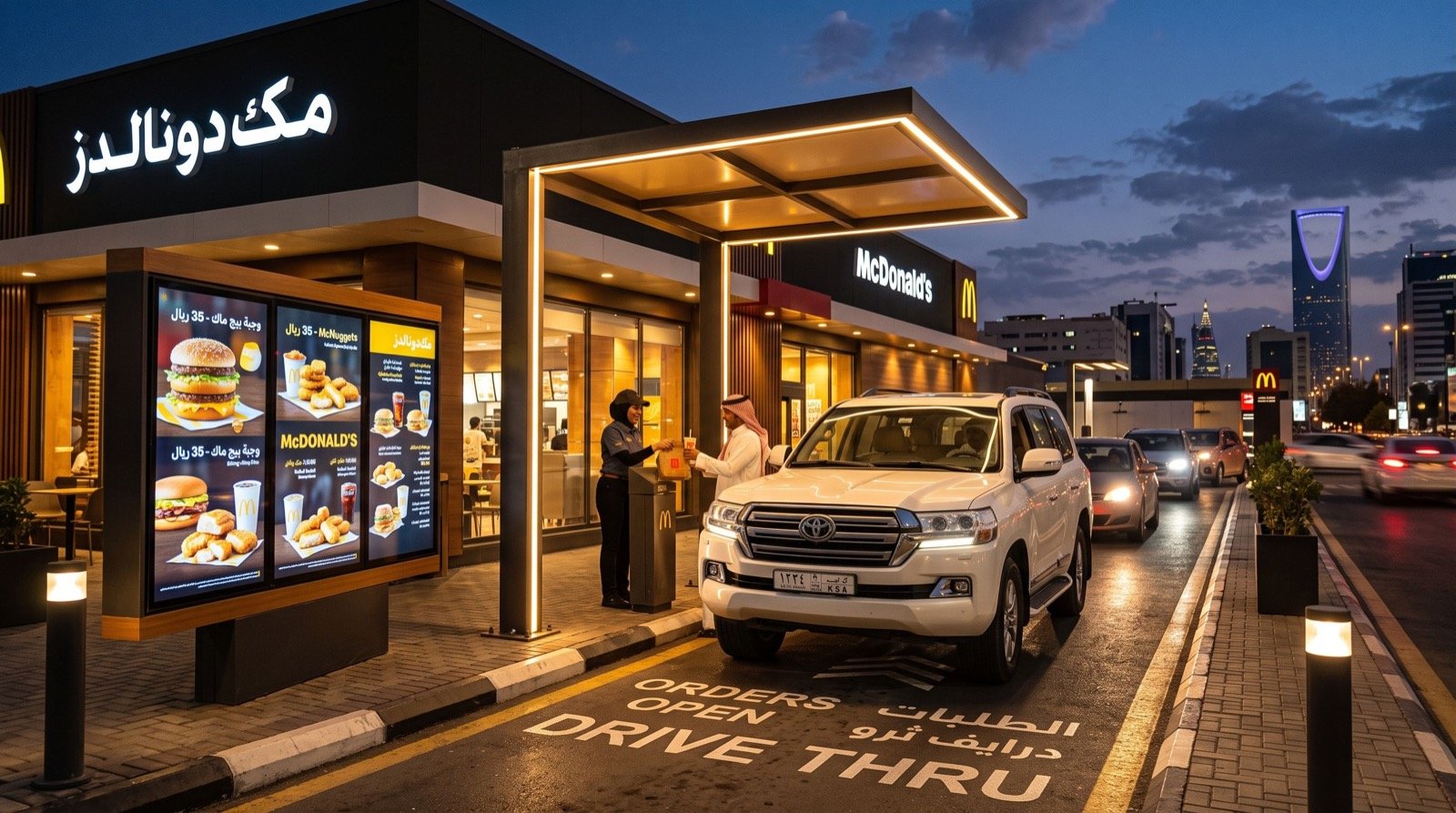
The best deployments pair this hardware with reliable networking and clear voice-call hardware at each desk. Many Saudi rollouts combine queue software with VoIP handsets and even drive-thru ordering. For fast-food and pharmacy chains, integrated PAR Drive Thru solutions connect the outdoor lane to the same reporting layer, so managers see indoor and outdoor throughput in one view.
Core Features to Compare Before You Buy
Not every platform is built the same, and glossy demos hide real differences. Focus on the capabilities that change day-to-day operations rather than novelty add-ons.
Ticketing and virtual queuing
Look for both printed tickets and virtual, phone-based queuing. Virtual queues let customers wait in their car or a nearby café, which matters during hot Saudi summers.
Analytics and reporting
Insist on exportable reports and live dashboards. Service time per agent, no-show rates, and hourly load are the metrics that justify staffing decisions.
Appointment integration
Blending pre-booked appointments with walk-ins prevents the classic conflict where scheduled visitors resent walk-in queues.
Comparing Queue System Types
The table below outlines the common approaches so you can match a model to your footprint and budget.
| System Type | Best For | Wait Format | Relative Cost |
|---|---|---|---|
| Basic ticket dispenser | Small clinics, single counters | Physical ticket only | Low |
| Digital signage + kiosk | Banks, telecom shops | Screen + audio call | Medium |
| Virtual / mobile queue | Malls, service centers | SMS + app alerts | Medium-High |
| Omnichannel platform | Enterprise, government | Kiosk + mobile + appointments | High |
For most mid-sized branches, the digital signage tier delivers the strongest return. Enterprises with dozens of locations usually justify the omnichannel option because centralized data drives consistent standards across the whole network.
Deployment Tips From the Field
Having watched several rollouts, the difference between a smooth launch and a frustrating one usually comes down to preparation, not technology. A few practical lessons stand out.
- Map your services before configuring the kiosk menu; overly long menus confuse visitors.
- Place signage where seated customers can read it without straining.
- Train staff to close tickets accurately, because sloppy data ruins your analytics.
- Pilot in one branch, refine, then scale the proven setup.
Reliable connectivity underpins everything. If you are also upgrading counter phones or drive-thru links, partnering with a single integrator keeps warranties and support simple. Teams that need dependable installation and after-sales support often work with dependable specialists who handle hardware, cabling, and configuration together.
Aligning With Saudi Digital Goals
Saudi Arabia’s push toward citizen-centric digital services means queue platforms increasingly report against experience standards. The Kingdom’s national digital agenda, described by the official Saudi national portal, emphasizes seamless, measurable service delivery across sectors.
Choosing a system that logs wait times and satisfaction scores positions your branch to demonstrate compliance and continuous improvement. In 2026, that documentation is often expected during audits, not merely appreciated. A solid queue management system in saudi arabia gives you those numbers automatically, turning a compliance chore into an operational advantage.
Frequently Asked Questions
How much does a queue management system cost in Saudi Arabia?
Entry-level ticketing starts modestly, while enterprise omnichannel platforms cost more due to software licensing and multi-site hardware. Most branches see payback within a year through reduced abandonment and better staff use.
Can customers join the queue from their phone?
Yes. Virtual queuing lets visitors take a number via QR code or app and receive SMS updates, so they can wait comfortably instead of standing in line.
Does it support Arabic and English?
Reputable platforms ship with full bilingual interfaces for kiosks, signage, and reports, which is essential for serving both residents and international visitors.
How long does installation take?
A single branch typically goes live within a few days once network points and signage locations are ready. Multi-site rollouts are staged over several weeks.
Conclusion
A well-chosen queue management system in Saudi Arabia shortens perceived waits, sharpens your data, and lifts satisfaction without adding headcount. Start with clear service mapping, pilot in one location, and insist on strong analytics before scaling. Ready to modernize your counters and drive-thru lanes in 2026? Reach out to an experienced integrator today and turn every wait into a better customer experience.